Outdoor Living Space Ideas for Modern New Zealand Homes
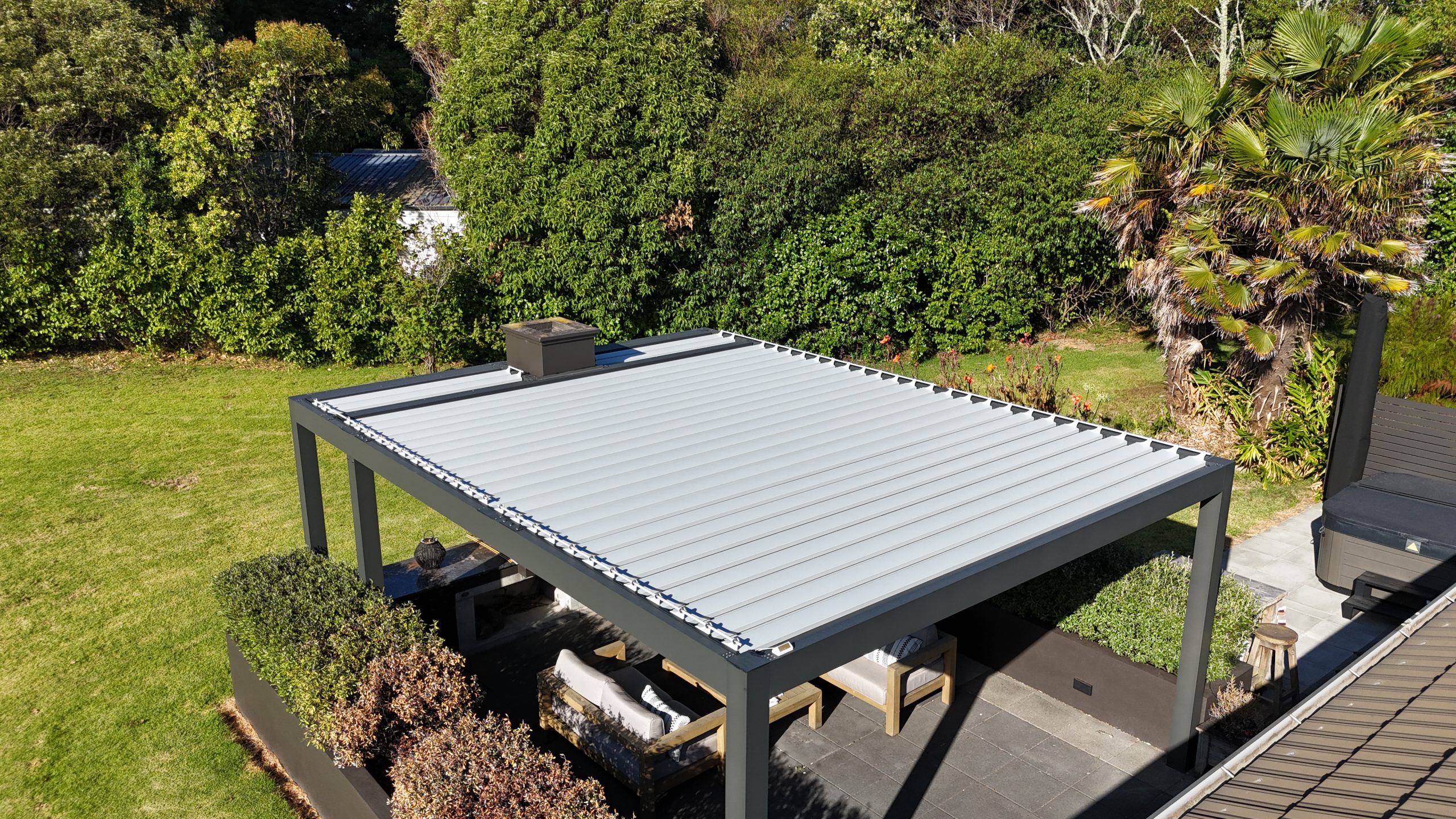
More and more New Zealand homeowners are treating their gardens as genuine extensions of their homes. Whether it is outdoor dining, hosting friends, or simply unwinding after work, a well-designed outdoor area can make a home feel significantly more open and livable.
Creating a comfortable outdoor space goes beyond adding furniture. It involves thinking about structure, shade, lighting, and how the whole area flows together. In New Zealand, where the weather can shift quickly from bright sunshine to a passing shower, how these elements come together makes a real difference to how often the space actually gets used.
Create Functional Outdoor Zones
A well-planned outdoor space usually includes different zones: a dining area, a lounge corner, a cooking station, or a quiet garden retreat. Defining these areas clearly makes the space more practical day to day and helps different activities happen at the same time without feeling cramped.
Placing the dining area closer to the kitchen or indoor living room keeps things convenient for meals and entertaining. A separate lounge zone, slightly further from the house, creates a more relaxed feel for reading or conversation. Even in smaller gardens, a simple layout with two or three defined areas can make the space feel more layered and intentional than one large, undefined area.
Raised decking, changes in paving material, or low planting borders are all simple ways to visually separate zones without building walls. The goal is to guide movement through the space naturally, so each area feels purposeful.
Add Shade for Year-Round Comfort
Shade is one of the biggest factors in how often an outdoor space actually gets used. In New Zealand, UV levels are notably higher than in many other countries at similar latitudes, which makes reliable shade essential for comfortable daytime use.
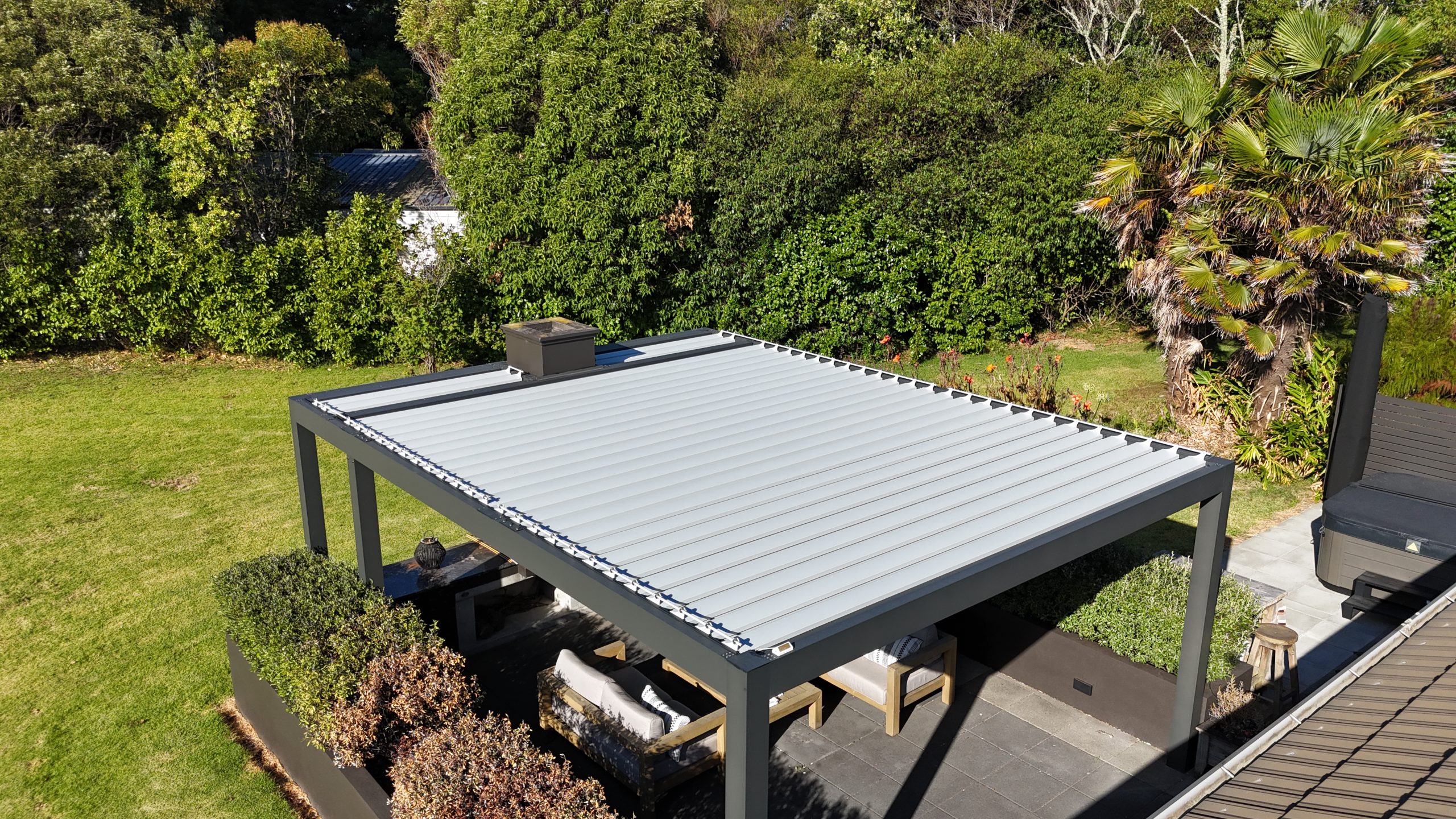
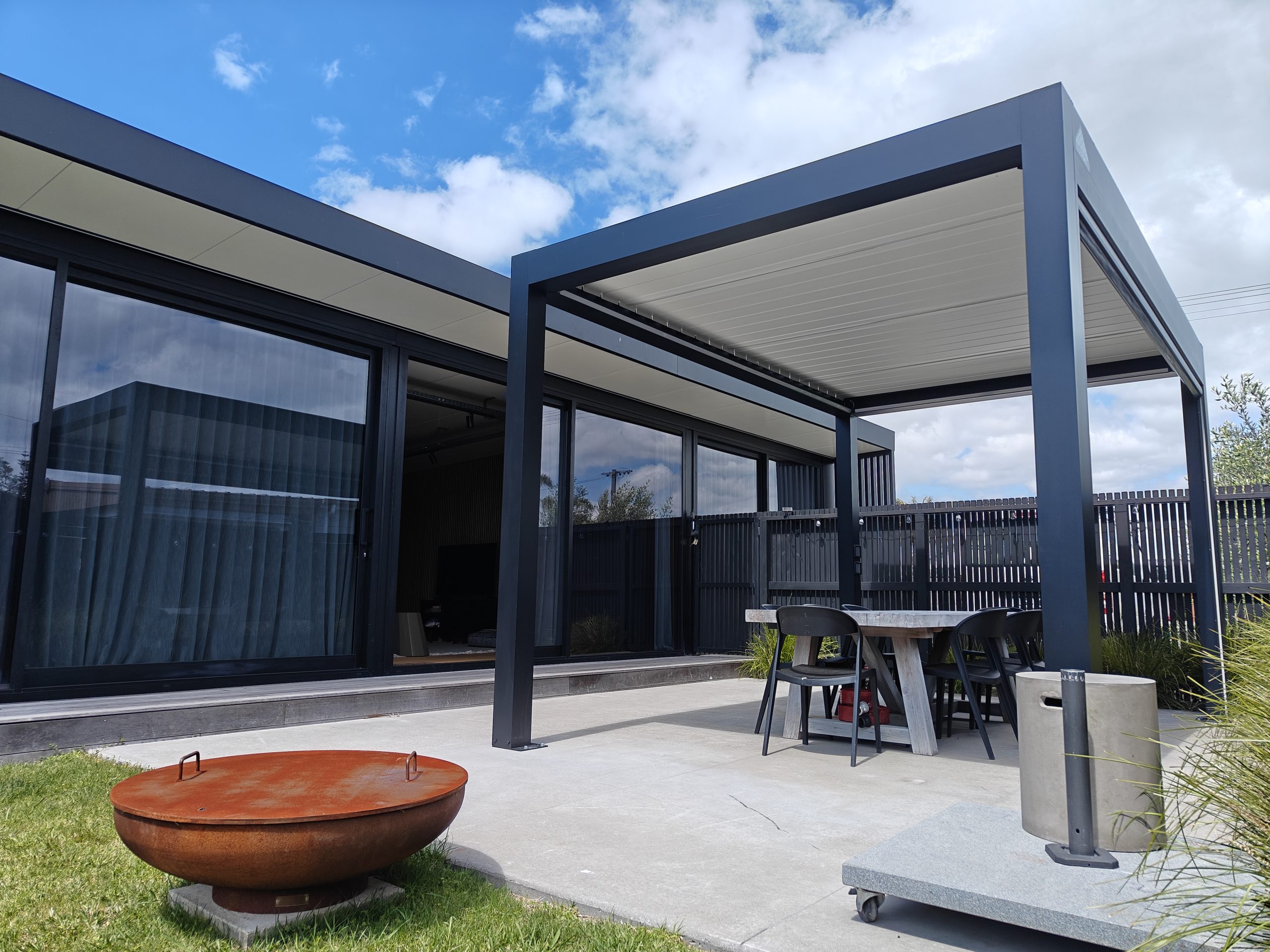
Fixed shade structures like pergolas provide a permanent framework, while adjustable systems like louvre roofs let you control sunlight and airflow depending on the time of day. When the louvres are fully closed, they also provide reliable rain protection, which means the space stays usable even when the weather turns. This kind of flexibility is particularly valuable in Auckland and other parts of New Zealand, where a sunny morning can easily become a wet afternoon.
If you are exploring options for adjustable shade, aluminium pergolas with louvre roof systems offer a balance of durability and control that works well across New Zealand conditions.
For areas that need seasonal flexibility, retractable patio covers or outdoor blinds can complement a permanent structure by adding wind protection or extra privacy when needed.
Use Lighting to Extend the Space into the Evening
Good lighting transforms how an outdoor space feels after dark. Without it, even the best-designed garden becomes unusable once the sun goes down. With it, the space gains several extra hours of use every day.
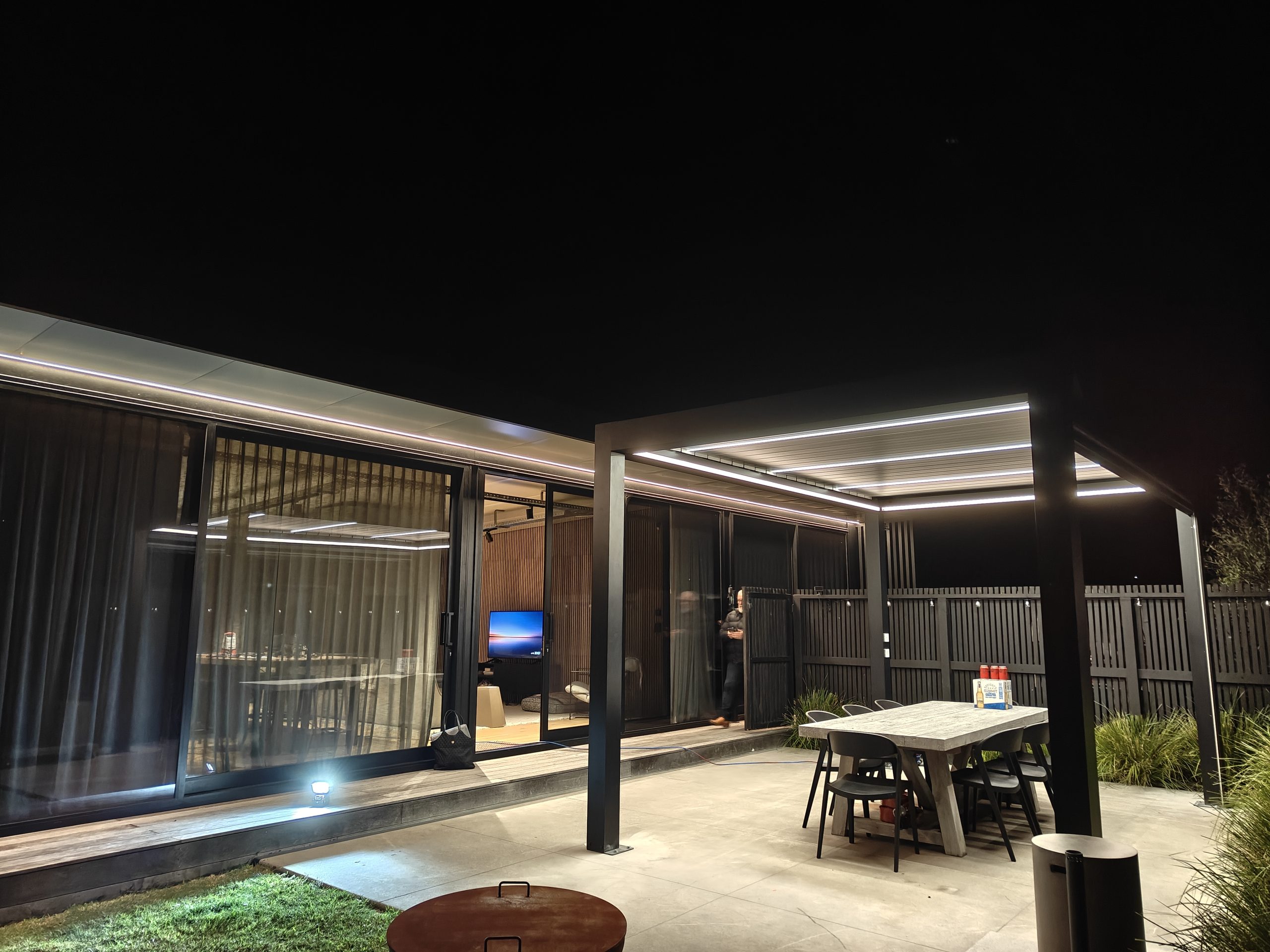
Integrated lighting within a pergola structure is one of the most effective approaches. Recessed LED strips along the beams or downlights in the louvre panels provide even, ambient light across the whole area without the glare of standalone floodlights. Softer accent lights along pathways, steps, and garden borders add depth and help people move safely through the space.
Layering different types of lighting, such as task lighting over a dining table, ambient lighting across the lounge area, and feature lighting on planting or water features, creates a more inviting atmosphere than a single light source. It also makes the space feel more considered and comfortable for evening gatherings.
Integrate Landscape Design with Outdoor Structures
Beyond structure and furniture layout, the overall landscape design also plays an important role in how the space feels and functions.
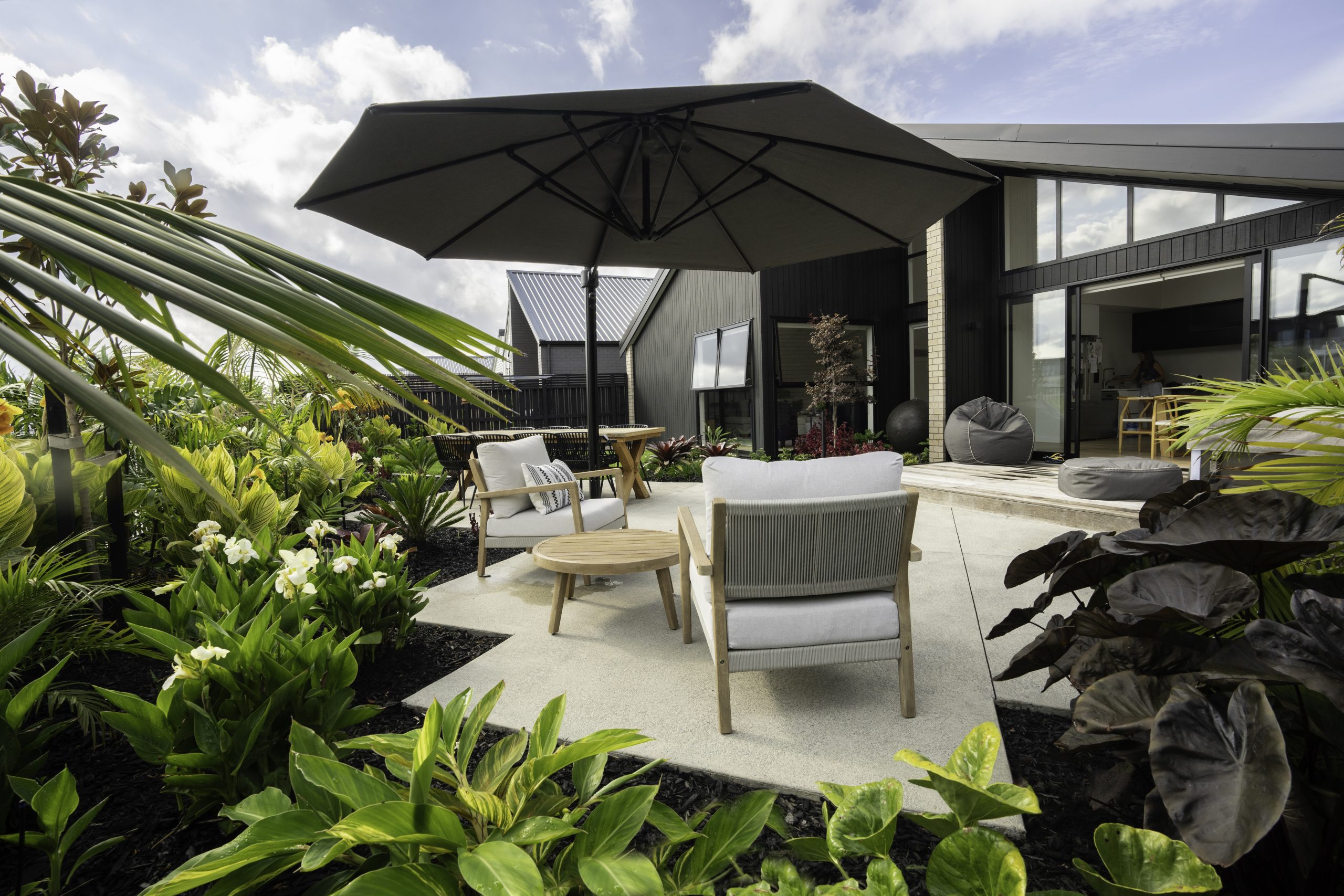
A well-designed outdoor area isn't just about adding elements. It's about how everything connects. The flow between different zones, the choice of materials, and how planting is layered can all influence how natural and comfortable the space feels.
When outdoor structures like pergolas or decks are considered alongside the garden layout, the result is usually more cohesive, both visually and in day-to-day use.
Landscape designer Sandra Batley from Flourish Garden Concepts shared her perspective:
"From a landscape design perspective, the most successful outdoor spaces are those where built structure and planting are resolved as one, rather than as separate elements. Pergolas and louvre systems should feel inherently connected to the architecture and garden, both in proportion and materiality.
In Auckland's climate, designing for flexibility is key, but it's equally important that this adaptability doesn't compromise the overall aesthetic. Thoughtfully layered planting plays a critical role in softening structure, creating a sense of shelter, and establishing a garden that feels refined, immersive, and truly integrated with the home."
In many Auckland homes, outdoor structures and landscape design are often planned together, helping create a more unified and practical living environment.
For more landscape design in Auckland projects, visit Flourish Garden Concepts
Choose Materials That Handle New Zealand Conditions
New Zealand weather is tough on outdoor materials. High UV, salt air near the coast, and frequent rain all take a toll on timber, fabric, and steel over time. Choosing the right materials from the start reduces maintenance and keeps the space looking good for longer.
Aluminium is a popular choice for pergola frames and structural elements because it resists corrosion, does not warp in humidity, and requires very little upkeep compared to timber. Composite decking has also gained traction as a low-maintenance alternative to natural wood, offering consistent colour and texture without the sanding and staining cycle.
For soft furnishings, outdoor-rated fabrics that resist fading and mould are worth the investment. The same goes for lighting fixtures and hardware: marine-grade stainless steel or powder-coated aluminium will last significantly longer than standard indoor-rated alternatives.
Making the Most of Your Outdoor Space
Every outdoor space comes with its own layout, orientation, and requirements. With the right combination of functional zones, reliable shade, considered lighting, and durable materials, a garden can become a comfortable and practical area that works across all seasons.
Whether it is for everyday use or spending time with friends and family, a well-designed outdoor space adds genuine value to how a home is lived in.
If you are considering a pergola or louvre roof for your outdoor area, book a visit to discuss options that suit your space and budget.